News
Volkswagen Under Pressure: Blume Must Speed Up Restructuring
Volkswagen faces mounting shareholder pressure to accelerate reform and compete with Chinese makers and BMW.
Per: leblogauto
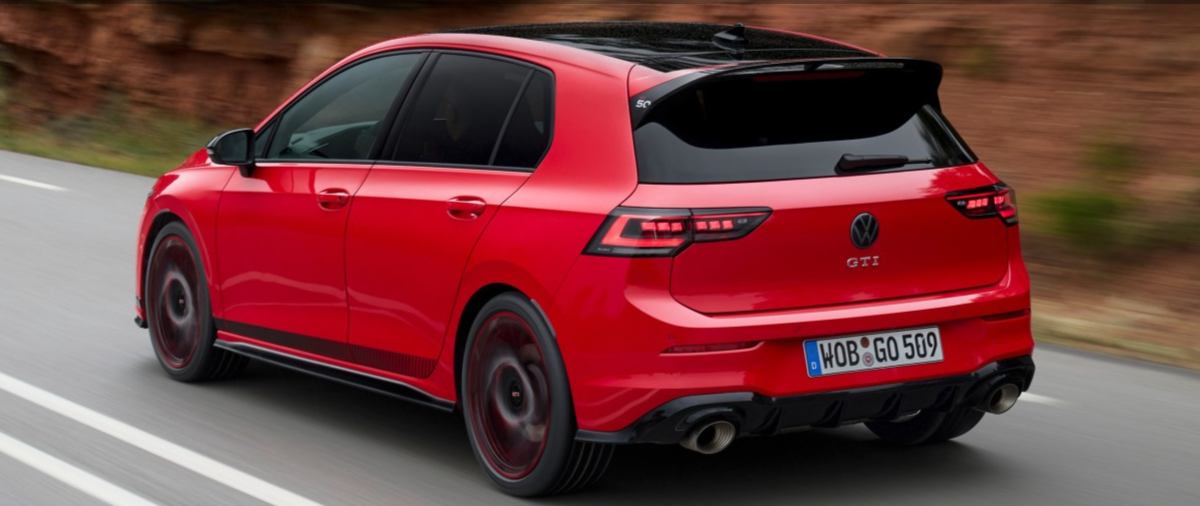
Volkswagen is at a critical juncture. Chief Executive Oliver Blume confronts growing shareholder demands for a faster transformation of the German automaker, seen as overly complex and slow to adapt.
A Group Spread Too Thin
The core problem: Volkswagen produces over 150 different models, from budget city cars to the premium Porsche 911. Once viewed as a competitive strength, this diversity has become a millstone. Overlaps abound—the Golf, Seat Leon, and Skoda Octavia essentially serve the same segment, as do SUVs like Tiguan, Kodiaq, and Audi Q3. This cumbersome structure slows decisions, inflates costs, and leaves the group vulnerable to more agile competitors who move faster.
External Pressures Mount
Volkswagen's challenges extend beyond internal organization. Chinese electric vehicle makers are reshaping the global market, especially in China—a key customer for Volkswagen and BMW. Sales there have fallen sharply, crushed by local EVs and aggressive pricing. Meanwhile, U.S. tariff tensions hurt premium exports from Audi and Porsche to America.
Both fronts squeeze the group's profitability at a critical moment for electric and software transitions.
Reforms Underway, Results Fall Short
Blume has launched several initiatives: roughly 28,000 job cuts, production capacity trimmed from 12 to 9 million vehicles annually, and plans to divest non-core assets like a marine engine division. The goal is to refocus on cars, software, and electrification.
Yet results lag expectations. Operating margins remain at 4%, far from the 8–10% target for 2030. Shareholders voiced frustration at the annual meeting: they demand faster, bolder action.
Structural Barriers
The real obstacle lies in governance. Volkswagen must navigate powerful unions, regional political players, and the Porsche-Piëch family, a major shareholder. This constellation of stakeholders slows strategic moves, even when necessary.
As analysts note, streamlining Volkswagen isn't just a matter of management will. It's a political, industrial, and financial puzzle that few global groups face—and few solve cleanly.
Source: leblogauto