News
Why Diesel Suddenly Became Cheaper Than Petrol
After months of record prices, diesel dropped 7 cents per litre in a single week. An unprecedented decline explained by three key factors.
Per: caradisiac
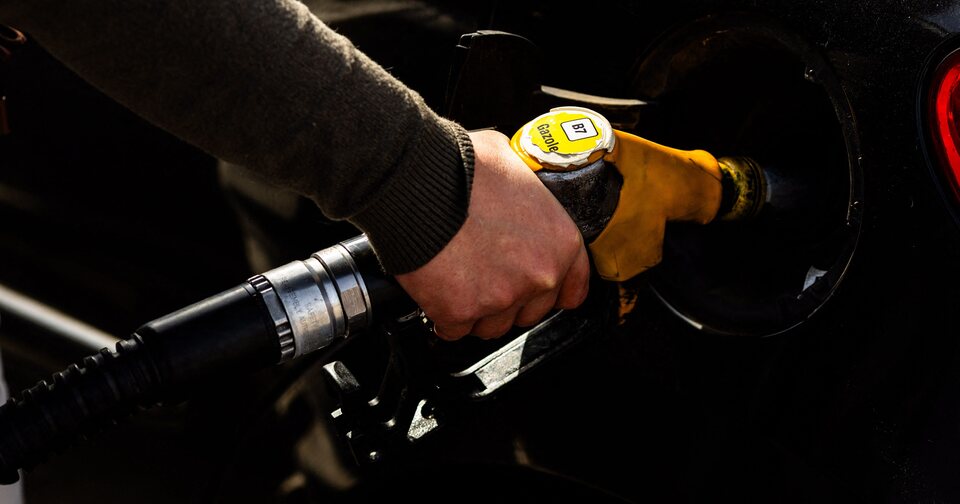
A Historic Price Reversal
For decades, diesel was traditionally cheaper than unleaded petrol in Morocco and across Europe. That reality shifted with Middle East tensions, which sent diesel prices to record highs.
Yet within days in May 2026, diesel lost 7 cents per litre, falling from nearly €2.40 to €2.10 — the sharpest decline recorded in a month. Meanwhile, petrol prices continued climbing. However, the two fuels soon converged: by May 27, diesel was priced at €2.121 and 95-octane at €2.125.
Three Factors Behind the Surprise Drop
1. Geopolitical Easing and Crude Oil Prices
Tensions in Iran and attacks on Gulf refineries had strangled global diesel supply. A slight thaw in these tensions combined with lower crude prices was enough to ease pressure.
2. Diesel's Tax Advantage
In France (and several other European countries), diesel benefits from more favourable taxation than petrol: 61 cents in excise duty versus 67 cents for 95-octane. When prices fall, this tax gap amplifies the decline at the pump.
3. The Seasonal Shutdown of Heating Boilers
The most surprising factor: the widespread shutdown of heating oil boilers across Europe in mid-May. According to France's energy agency Ademe, 2.6 million French households still rely on heating oil, consuming an average of 2,000 litres annually. During warm weather, these boilers switch off, sharply reducing global demand for heating-grade diesel. This drop in demand eases market tension and makes diesel more affordable.
A Trend That Could Persist
Although diesel began rising again after May 25, France's oil industry union (UFIP) estimates that a small price gap could persist for several months — until autumn-winter returns and heating boilers restart.
For Moroccan buyers, this trend remains largely theoretical for now, but it illustrates how three phenomena — geopolitics, tax policy, and seasonality — can dramatically reshape fuel price curves.
Source: caradisiac