News
European EV Fleets: Three Speeds, Three Different Realities
As the EU pushes for decarbonisation, new data reveals a fragmented market with stark differences in EV adoption costs across European nations.
Per: caradisiac
The 2026 Mobility Guide from Ayvens paints a troubling picture of Europe's vehicle fleet transition: a continent divided into three distinct tiers, where electrification strategies vary dramatically by country. This fragmentation threatens continental coherence as Europe races toward its 2035 emission-reduction targets.
From Incentives to Penalties: A Paradigm Shift
For years, the transition to electric vehicles relied on the "carrot" approach: generous green bonuses, free parking, and total tax exemptions. Those days are gone. European policymakers are now applying the stick:
- France: A 4,000 € penalty tax for companies lacking electric vehicles in their fleet
- Belgium: Since January 1, 2026, only zero-emission vehicles qualify for full tax relief
- Netherlands: Tax benefits on company cars slashed to 5%, scheduled to disappear entirely by 2028
This coercive transition creates unprecedented disparities in total cost of ownership (TCO).
West and North: Electric Dominance
In Norway, Belgium, and France, electric vehicles win decisively on economics:
- Norway: Fuel is taxed so heavily that petrol cars make no economic sense
- Belgium: 0.33 €/km electric vs. 0.40 € for petrol or diesel
- France: 0.33 €/km electric vs. 0.41 € for combustion engines
In these regions, fleet electrification is no longer an environmental choice—it's a financial imperative.
East: Combustion Engines Remain Competitive
The contrast is stark in Bulgaria, Croatia, and neighbouring countries where absent incentive policies leave traditional engines ahead: 0.39 €/km for electric vs. 0.33 € for petrol. Greening a fleet remains a financial sacrifice rather than an opportunity.
Portugal stands out as one of Europe's most competitive markets for electric lease costs.
Brussels' Uncertainty Paralyses Decision-Making
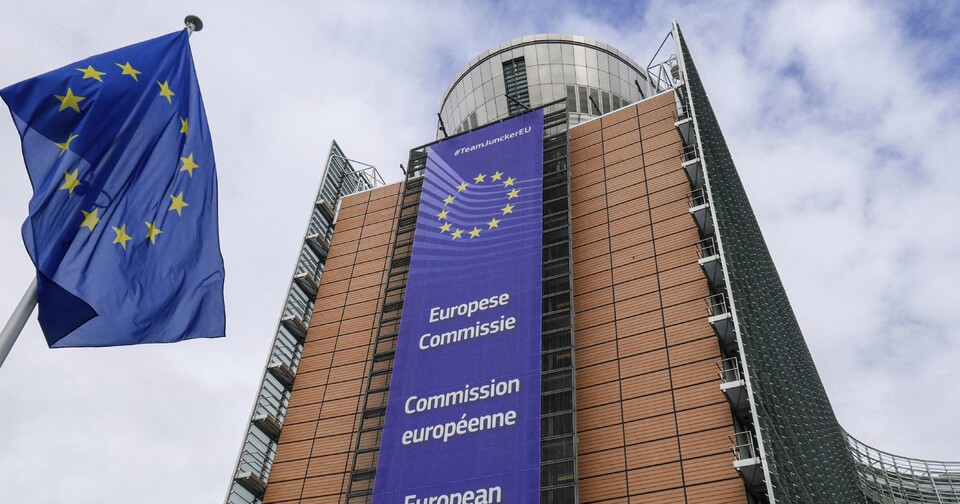
In December, the European Commission softened its 2035 target, reducing emission-reduction requirements from 100% to 90%, opening the door to continued energy-source diversity. For businesses, the signal is muddled: should they go all-electric or hedge with a sustainable energy mix?
This ambiguity compounds persistent user confidence issues. More than 30% of surveyed drivers admit they don't know whether current infrastructure will support their daily journeys without range anxiety. Although charging access has improved, autonomy concerns remain a major barrier to adoption.
For Morocco's market, these European dynamics offer valuable lessons: as corporate fleets evolve and charging infrastructure develops locally, the total cost of ownership equation will become increasingly relevant for Moroccan businesses and drivers alike.
Source: caradisiac