News
Stellantis E-Car: The Affordable Electric City Car Returns to Europe
Stellantis launches E-Car, an affordable small electric vehicle designed for European urban drivers, with production set to begin in 2028 in Italy.
Published on · Per: leblogauto
Stellantis Revives the Small Electric Car Segment
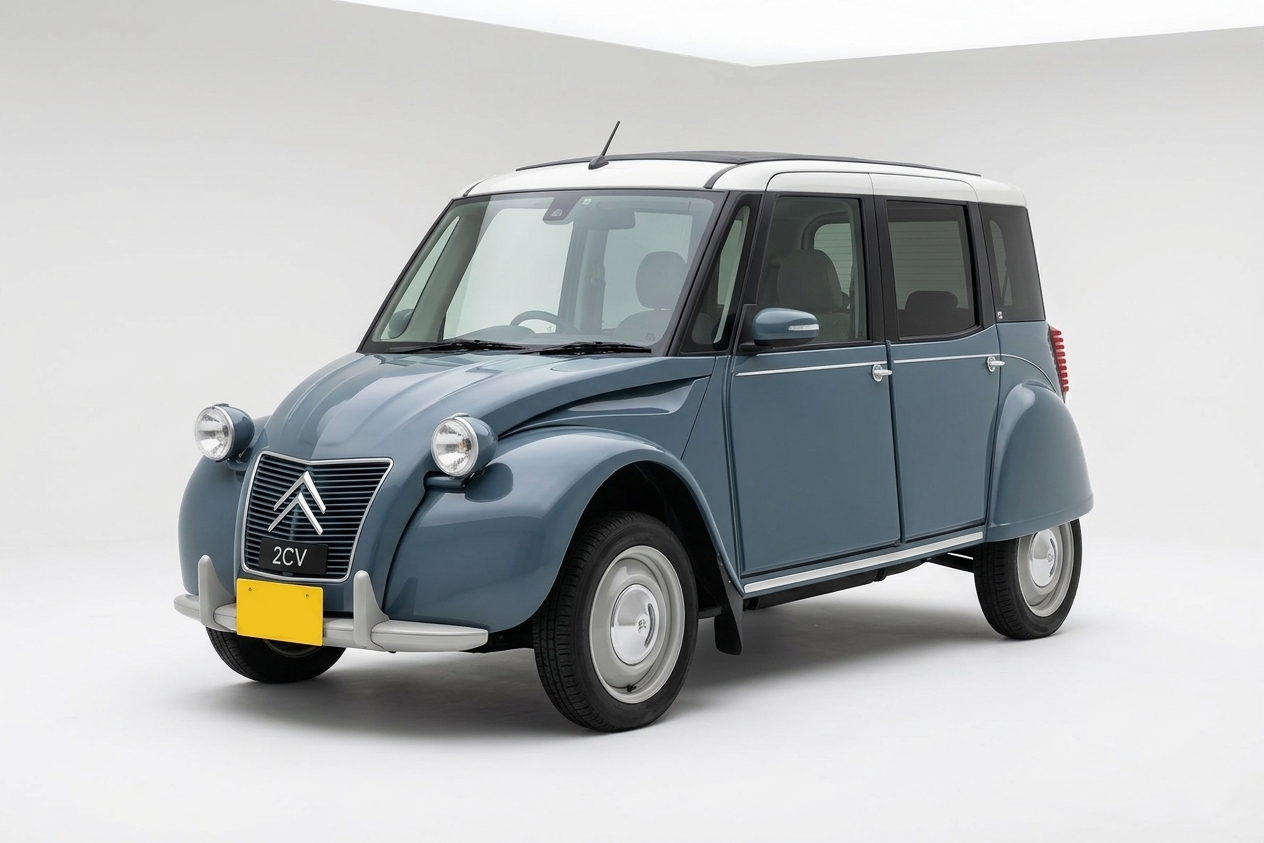
In response to the steady disappearance of affordable small cars across Europe, Stellantis is announcing E-Car—a compact electric vehicle aimed at urban consumers. Production is scheduled to start in 2028 at the historic Pomigliano d'Arco plant in Italy, the same facility that produced iconic models like the Fiat Panda and other Stellantis compact cars.
What Is E-Car?
E-Car stands for European, Emotional, Electric and Ecological. This project aligns with the European Union's stated goal of creating a new automotive segment tailored to urban mobility needs. The European Commission has already recognized the project for its potential to create industrial jobs and accelerate EV adoption.
The concept draws inspiration from Japanese Kei cars—compact, practical vehicles—but is designed and built specifically for the European market. Multiple Stellantis brands will offer their own versions: Citroën, Peugeot, Fiat, and others will each bring their own design language to a shared platform.
Technology Partnerships and Accessible Pricing
Stellantis is developing the electric technology in partnership with selected external partners, potentially including Chinese suppliers. This strategy pursues two key goals:
- Control costs to keep the vehicles genuinely affordable
- Accelerate market launch
The design is described as innovative, with each brand adding its own signature.
Reversing the Decline of the Small Car Segment
For the past several years, the A-segment (small cars) has progressively disappeared from the European market. Emissions regulations and mandatory vehicle electronics (GSR2) made traditional small cars economically unviable. Today, even the B-segment barely begins at around €20,000.
Stellantis positions E-Car as a direct response to this market gap. The company isn't alone: Dacia, Volkswagen, and other manufacturers are also developing solutions in this emerging category.
What We Know (and Don't)
For now, no details have been released about pricing or technical specifications. We'll have to wait until 2028 to see the first production models. One certainty: like all electric vehicles, E-Car pricing will heavily depend on government subsidies. Without substantial support, these vehicles are unlikely to reach the historically low price points of models like the Dacia Logan at launch (€7,500 in 2005).
The coming years will reveal whether E-Car can genuinely restore affordable mobility to Europe, or if the transition to electric power makes true affordability a luxury.
Source: leblogauto