News
Chinese EV Exports Surge While Domestic Market Struggles With Sales Decline
Chinese automakers offset domestic market crisis by exporting record numbers of electric and plug-in hybrid vehicles globally.
Published on · Per: leblogauto
Domestic Chinese Sales Continue to Fall
China's automobile market is going through a difficult period. In April, new vehicle sales recorded their seventh consecutive month of decline, falling 21.6% year-on-year to reach 1.4 million units, according to the China Passenger Car Association (CPCA).
This downturn affects multiple market segments. Conventionally powered vehicles are particularly suffering from rising oil prices, a factor weighing on Chinese consumer purchasing intentions. Plug-in hybrids are also experiencing a challenging period. Combined sales of electric and plug-in hybrid vehicles, which represent 60.6% of total passenger car sales in China, declined 6.8% year-on-year — extending a streak of four consecutive months of decline.
The affordable segment (vehicles below 150,000 yuan) remains particularly weak, hampering the sector's overall recovery.
Exports Compensate for Domestic Slowdown
Facing this domestic crisis, Chinese automakers are strengthening their international presence. Automotive exports show robust dynamics: shipments of electric and plug-in hybrid vehicles surged 111.8% year-on-year, while overall automotive exports grew 80.2%.
This growth is driven largely by rising global fuel prices, fueled by geopolitical tensions. In several international markets, this situation favors consumer interest in electric vehicles, which are perceived as a more economical alternative in the long run.
BYD, the world's largest electric vehicle manufacturer, illustrates this trend: its global sales declined for an eighth consecutive month in April, yet exports remain strong.
Morgan Stanley Forecasts
According to Morgan Stanley analysts, this phenomenon is expected to intensify. The bank now anticipates Chinese automotive exports will grow 33% in 2026 (versus a previous estimate of 15%), while expecting domestic sales to decline further by an estimated 11% over the year.
Moving Upmarket: Automakers' Strategy
Facing this situation, Chinese brands are gradually shifting their product positioning. Many manufacturers are moving away from budget vehicles to focus on premium models with better equipment and advanced technology.
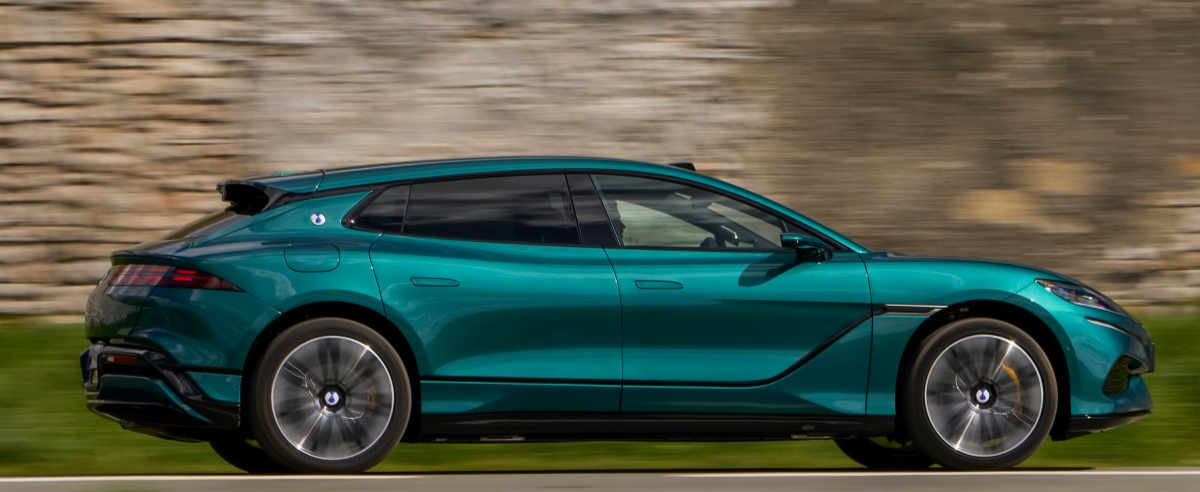
Recent auto shows highlighted this evolution with a surge in new upmarket SUVs. Brands like Nio and Zeekr (a Geely subsidiary) are now betting on premium electric vehicles packed with technology and features.
However, this strategy alone is not yet sufficient to fully revive the Chinese automotive market. Despite growth in premium EV models, persistent weakness in the affordable segment continues to drag down the entire Chinese auto sector.
Source: leblogauto