News
Tesla Model Y Recall: Missing Weight Certification Label in the US
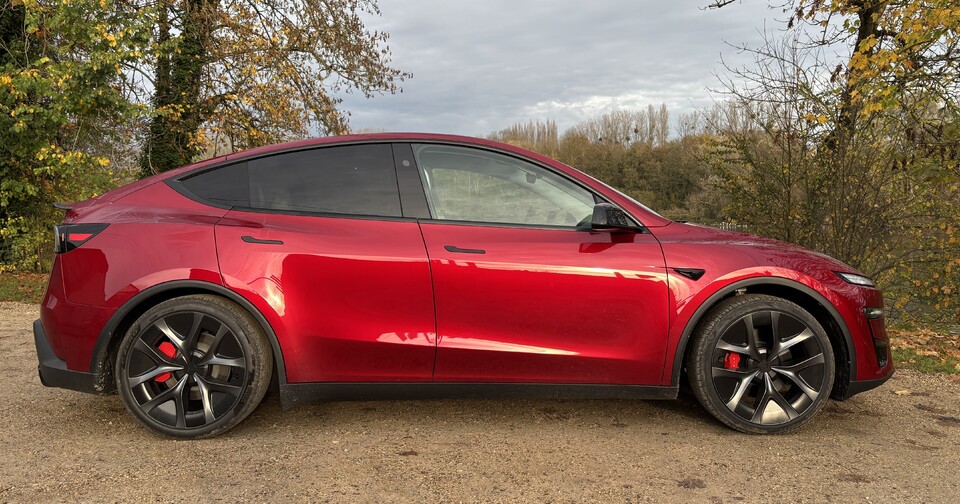
Tesla recalls 14,575 Model Y SUVs in the US due to a missing weight certification label, risking overload and reduced braking performance.
Per: leblogauto
An Unexpected Material Defect
Tesla is launching a recall in the United States that stands out from its typical campaigns. Unlike previous calls, this issue isn't a software glitch, battery problem, or Autopilot malfunction—it's the absence of a simple weight certification label on 14,575 Model Y SUVs.
While seemingly trivial, this label serves a critical function. It displays essential data: the vehicle's maximum gross weight rating (GVWR), maximum payload capacity (passengers, cargo, luggage), and per-axle weight limits. Without this visible information, owners risk unknowingly overloading their vehicle.
Real Consequences of Vehicle Overload
According to the NHTSA (US National Highway Traffic Safety Administration), exceeding weight limits creates concrete safety hazards:
- Extended braking distances: The SUV loses emergency stopping capability
- Increased tire pressure: Higher risk of blowout or tire deformation
- Suspension stress: Reduced durability and overall vehicle performance
- Unpredictable handling: The vehicle responds differently during turns and maneuvers, potentially surprising drivers accustomed to normal Model Y behavior
While the NHTSA has reported no accidents, injuries, or deaths directly linked to this labeling issue, the agency determined the recall necessary as a preventive measure.
Physical Service Required
Unlike most Tesla recalls—which are resolved through over-the-air (OTA) software updates requiring no dealership visit—this material defect demands hands-on service. Owners must visit a Tesla Service Center to:
1. Have their Model Y inspected
2. Receive the missing weight label affixed to their vehicle
Tesla covers the entire process at no cost to owners, as required by US recall regulations.
Technology Meets Physical Reality
This recall underscores a frequently overlooked truth: even the most technologically advanced electric vehicles must comply with fundamental, physical labeling requirements. No algorithm can replace a physical label stamped onto a vehicle's frame.
For Tesla—a company built on the ability to solve problems remotely—this recall serves as a reminder that automotive compliance extends beyond embedded software and firmware. Some problems simply require a technician with a label.
Source: leblogauto