News
Private Speed Cameras: Drivers Expose a System Driven by Numbers
A former private radar car driver reveals how revenue targets trump road safety. Kilometer quotas and social tensions characterize this contested prof
Published on · Per: caradisiac
A Public Mission Hijacked by Profit Motives
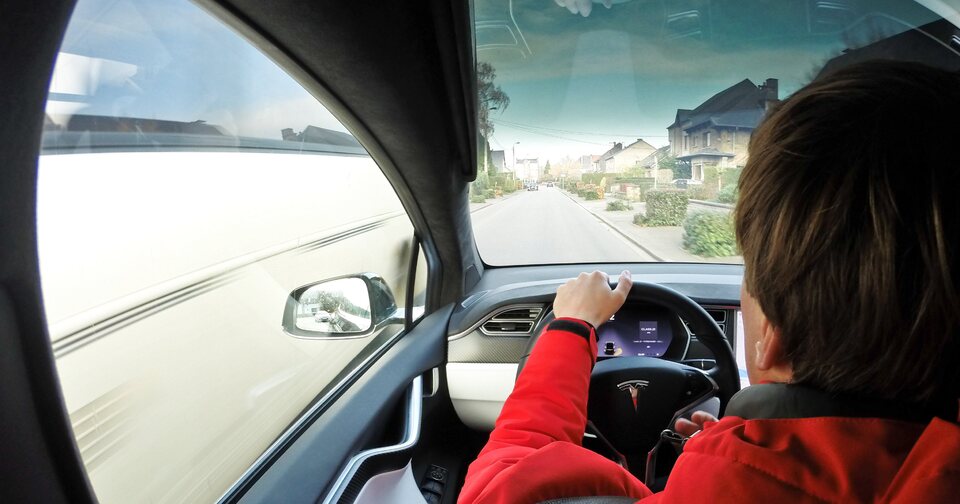
Under anonymity, a former private speed camera operator exposes a system where commercial logic dominates road safety. Employed by one of the private operators entrusted by the State to manage unmarked radar vehicles, this worker paints a stark picture: a "race toward revenue and mileage" rather than a genuine public safety mission.
From day one, priorities are crystal clear. According to his testimony collected by the Drivers' Defense League, there is no meaningful training on road safety or the true nature of the public mandate. The work boils down to flashing as many speeding drivers as possible.
The Tyranny of "400 Kilometers Per Day"
The daily routine is driven by relentless pressure:
- Mileage target: 400 kilometers minimum per day
- Number of routes: between 4 and 8 routes to complete
- Collective penalty: if the team fails to hit 90% of the target, each driver loses a monthly bonus of 300 euros
- Scheduling: brutal shifts between morning and night work with no compensation
Unexpected disruptions (accidents, detours) don't count. Drivers must then repeat loops on the same stretch to make up the shortfall, as only completed routes count toward the daily quota.
Working Conditions Under Strain
This former driver describes the job as "meaningless" under intense social pressure. The unmarked vehicles fuel animosity among motorists, generating threats and stigma: his car was photographed and shared on Facebook.
In practice, conditions prove exhausting:
- Up to 10 hours of driving per day
- Theoretical 10-minute breaks every two hours—barely adequate
- Obligation to never leave the vehicle unattended
"Whenever we ask questions, they pressure us. I don't even know if I'm being recorded when I drive," the former operator says.
A Lucrative System for the State
The numbers tell the story. According to the Drivers' Defense League, each radar vehicle (currently 60 in operation) generates approximately 697,000 euros per year for the State. This represents the industrialization of traffic enforcement where revenue plainly outweighs prevention.
Source: caradisiac