News
DRC Cobalt Quotas Threaten EV Battery Supply Chain
The Democratic Republic of Congo imposes strict cobalt export quotas from October 2025. The policy penalizes Chinese miners and disrupts global EV bat
Published on · Per: leblogauto
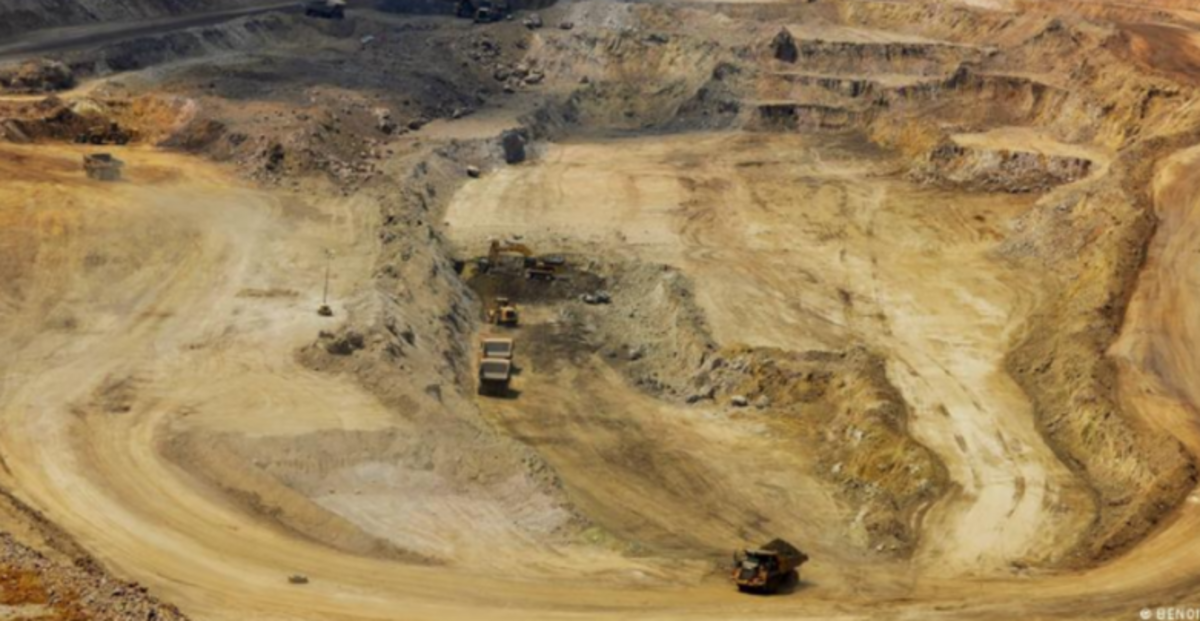
DRC Tightens Grip on Cobalt Supply
The Democratic Republic of Congo, the world's leading cobalt producer, has implemented strict export controls that are creating waves in global supply chains. Since February 2025, the country first imposed a total export ban on cobalt to absorb oversupply. From October onwards, a quota system based on exports during the previous three years has taken effect.
The stated goal: boost local cobalt processing and job creation in DRC rather than simply exporting raw materials.
Prices Surge as EV Industry Faces Pressure
These restrictions have had immediate market impact: cobalt benchmark prices have jumped approximately 160% since February, while cobalt hydroxide — the main product shipped from DRC — has seen its price more than quadruple. This sharp price surge directly affects the global automotive industry, particularly the electric and plug-in hybrid vehicle sector.
Cobalt is a critical component in lithium-ion batteries that power EVs and plug-in hybrids. Supply disruptions therefore signal growing fragility in critical materials supply chains — a major concern for the auto industry's energy transition.
MMG Struck by "Economically Unviable" Quota
Chinese mining giant MMG's situation illustrates the quota system's pitfalls. After investing in a cobalt production facility at its Kinsevere mine (commissioned in September 2023), with annual ambitions of 4,000 to 6,000 tonnes, MMG was forced to mothball the plant in late 2024 due to weak global prices.
This temporary shutdown proved costly: lacking export volumes matching its original goals during the three reference years, MMG received only a 360-tonne quota for the current year — far below its installed capacity.
Aaron Chen, MMG's general manager of operations at Kinsevere, stated at the Cobalt Institute's annual congress in Madrid that cobalt production under these conditions is "economically unviable." He called on the Congolese government to clarify its policy and quota allocation criteria.
Mining Investments at Risk
Tensions are mounting between foreign mining investors — primarily Chinese — and DRC authorities. While Congo seeks to maximize local value from its resources, miners question the viability of future investments facing insufficient quotas and opaque allocation criteria.
This impasse threatens both local production and global cobalt supplies at a critical moment when the transition to electric vehicles demands ever-increasing volumes of critical materials. For Morocco's growing EV market, such supply disruptions ripple through battery costs and vehicle pricing.
Source: leblogauto