News
Chinese Electric Vehicles Capture 15% of Europe's Market Despite Tariffs
BYD, MG and Chery break 15% of Europe's EV sales barrier. Superior range, tech-rich features and faster development cycles power their success against
Published on · Per: leblogauto
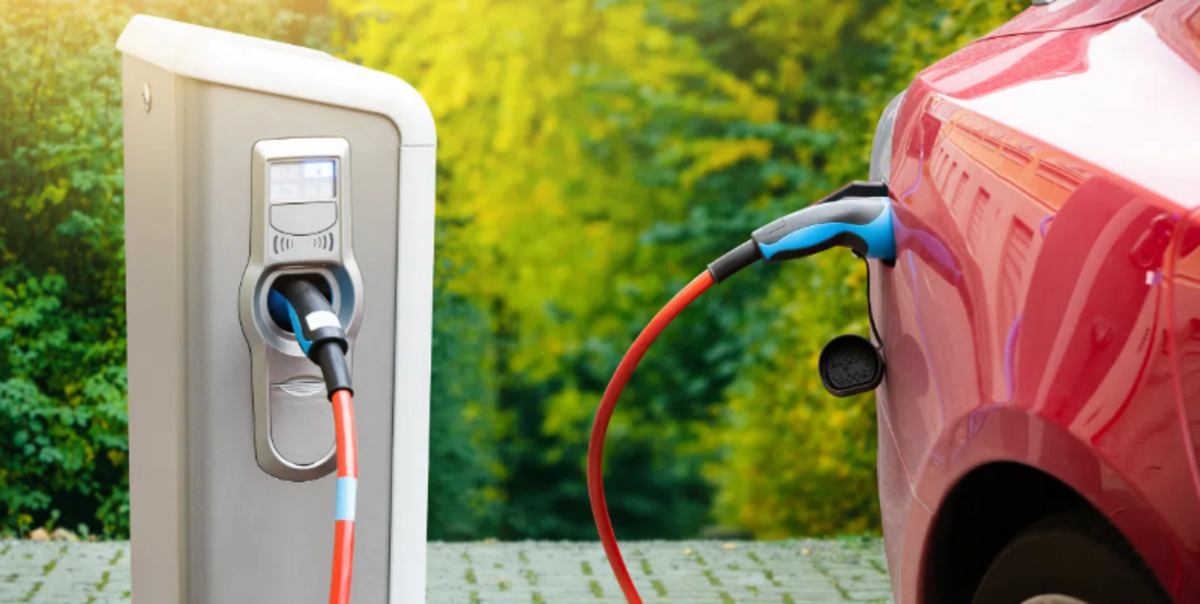
Chinese automotive brands continue their impressive expansion across Europe's electric vehicle market. According to Bloomberg, BYD, MG, Chery, Geely and competitors have reached 15% of EV sales in Europe for the first time — a historic milestone achieved despite tariffs imposed by the European Union.
Remarkable Growth Trajectory
This breakthrough underscores the limited effectiveness of trade barriers. Data from JATO Dynamics confirms the trend: in April 2025, registrations of Chinese-made electric vehicles in Europe surged 59% year-over-year, far outpacing overall growth in Europe's EV market despite new EU tariffs.
More Than Just Price
While affordability remains a powerful argument, Chinese manufacturers' success rests on a far more comprehensive value proposition:
- Extended driving range on a single charge
- Advanced technology integration featuring cutting-edge embedded systems
- Plug-in hybrid options for buyers still transitioning to full electric
- Accelerated development cycles enabling rapid model refreshes and new launches
These vehicles rival — and often exceed — European offerings at equivalent or higher price points. This combination resonates strongly with continental buyers.
Structural Challenge for Europe
European manufacturers face a competitiveness challenge tariffs alone cannot resolve. While Stellantis, Volkswagen and others invest billions in dedicated electric platforms, Chinese rivals leverage mature battery technology and advanced software with compressed design-to-production timelines. This speed advantage outpaces traditional European manufacturing processes.
This explains why leading European automotive groups now establish partnerships and production hubs in China — a strategic shift revealing the global automotive industry's ongoing rebalancing.
The Limited Impact of Trade Tariffs
The EU imposed additional duties to counter massive public subsidies Beijing grants its automotive sector. The dual objective was clear: slow Chinese brand market penetration and give domestic manufacturers time to strengthen their EV competitiveness.
Yet these measures' effectiveness remains constrained. The fundamental advantage underpinning Chinese EVs — a combination of price, range, technology maturity and availability — persists beyond tariff walls.
For Moroccan buyers interested in electric vehicles, this global dynamic offers perspective: as Chinese competition intensifies, access to capable and affordable electric vehicles improves progressively, even in emerging markets like ours.
Source: leblogauto