News
European Auto Industry Split Over Made in Europe Label and Local Content Rules
European carmakers and suppliers clash over the Made in Europe label. Suppliers demand 70% local content; manufacturers fear higher costs and trade te
Published on · Per: leblogauto
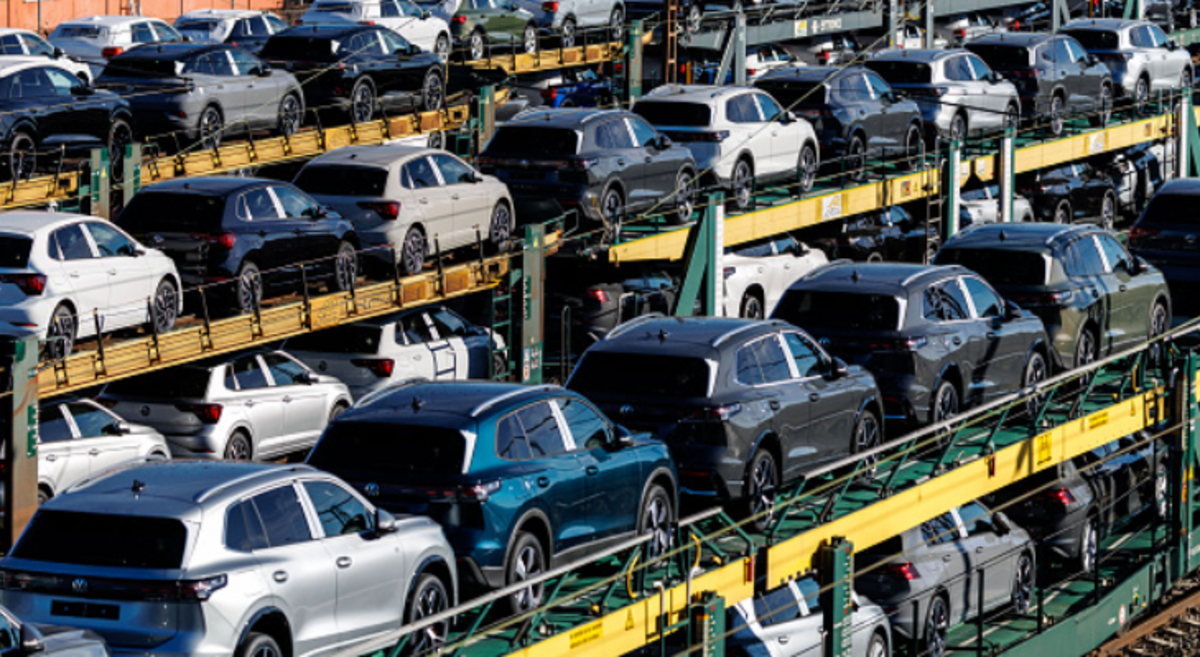
A new rift is opening in European automotive. After debates on combustion engines and tariffs on Chinese EVs, the Made in Europe label is now the flashpoint between suppliers and carmakers.
The Real Problem: Protecting Jobs and Know-How
In March, the European Commission proposed rules governing local content for vehicles built in Europe. The logic is straightforward: simply assembling a car on the continent isn't enough. To earn the Made in Europe badge, a significant share of added value must be created in Europe—not imported as finished modules and components from China.
CLEPA, the European automotive suppliers association, says the Commission's proposal falls short. They're calling for a hard threshold: at least 70% of added value must be produced on European soil. Without this, the label remains hollow.
The concern is real. According to CLEPA, up to 350,000 jobs in the European auto supply sector could be at risk, while Chinese competitors simultaneously accelerate technology development, production volumes, and their industrial footprint across Europe.
Carmakers Show Restraint
Faced with suppliers' push, Europe's major carmakers are taking a far more cautious stance. The ACEA (European Automobile Manufacturers' Association) backs the goal of a competitive industry, but warns against overly rigid local content rules.
For ACEA, the real competitiveness drags are elsewhere:
- Excessive bureaucracy
- High energy costs
- Regulatory complexity
In other words: mandating local content won't fix structural problems.
The China Factor
This restraint masks enormous commercial stakes. German automakers earn billions in China, and aggressive protectionism in Europe could damage those relationships. The risk of trade retaliation from Beijing is a strategic variable carmakers cannot ignore.
What It Means for Morocco
This European debate will ripple outward. Vehicles sold in Morocco often come from these European supply chains. Any fragmentation or tightening of local content rules could eventually affect pricing and model availability in the Moroccan market.
This conflict reveals that protecting automotive industry isn't simple. Suppliers need strong rules to defend against Chinese competition. Carmakers fear costlier vehicles and globally fragmented operations. Finding balance will be hard.
Source: leblogauto