News
Fuel Consumption Drops: The Impact on Government Revenue
A 30% drop in fuel consumption is cutting into government tax revenue. How will policymakers respond?
Published on · Per: caradisiac
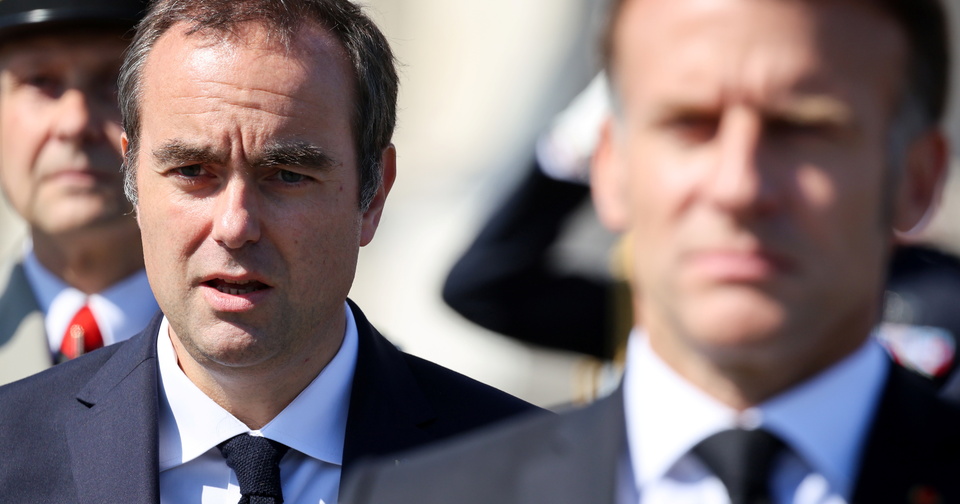
Lower consumption, lower government revenue
As energy prices continue to climb, French motorists are reducing their fuel consumption. According to French Prime Minister Sébastien Lecornu, consumption fell by 30% during the first 10 days of May. This trend reflects the direct impact of the ongoing energy crisis — triggered in February — on driver behavior and professional transport operators.
But this drop in consumption is taking a heavy toll on public finances. The French state collects 60% of its fuel pump revenues as tax. The result: fuel-related tax receipts have plummeted by €300 million compared to the same period last year.
The fiscal paradox: higher tax per liter, less money overall
The situation is paradoxical. In March and April, despite stable consumption and elevated prices, tax revenues actually increased by €190 million. But when March, April, and May are combined, the picture reverses: a €105 million shortfall versus 2025.
This illustrates a key accounting reality: even when government mechanically collects more tax per liter sold (due to high prices), it brings in less total revenue when sales volumes drop significantly.
Should taxes be cut to stimulate consumption?
The government faces a strategic dilemma. On one hand, it refuses a broad tax cut on fuel — as it did in 2022 during the Ukraine crisis — to control public spending. Only a modest €50 fuel rebate has been offered to heavy users (transport companies, professionals).
On the other hand, an economic question looms: should the government artificially lower fuel prices to stimulate consumption and boost overall tax revenue?
Lessons for Moroccan drivers
While this story focuses on France, it illustrates a universal challenge. In Morocco and beyond, fuel pricing policies influence both driver behavior and government finances. If you're considering a vehicle purchase, this period of elevated prices may justify investing in a more fuel-efficient model or reassessing your daily commute.
France's future policy direction will depend on how consumption and tax revenues evolve. It's a lesson with implications for policymakers worldwide.
Source: caradisiac