News
BMW Holds Course Despite Global Trade Tensions
Despite a 25% decline in Q1 profits, BMW beat expectations and reaffirmed 2026 targets amid mounting tariff threats.
Per: leblogauto
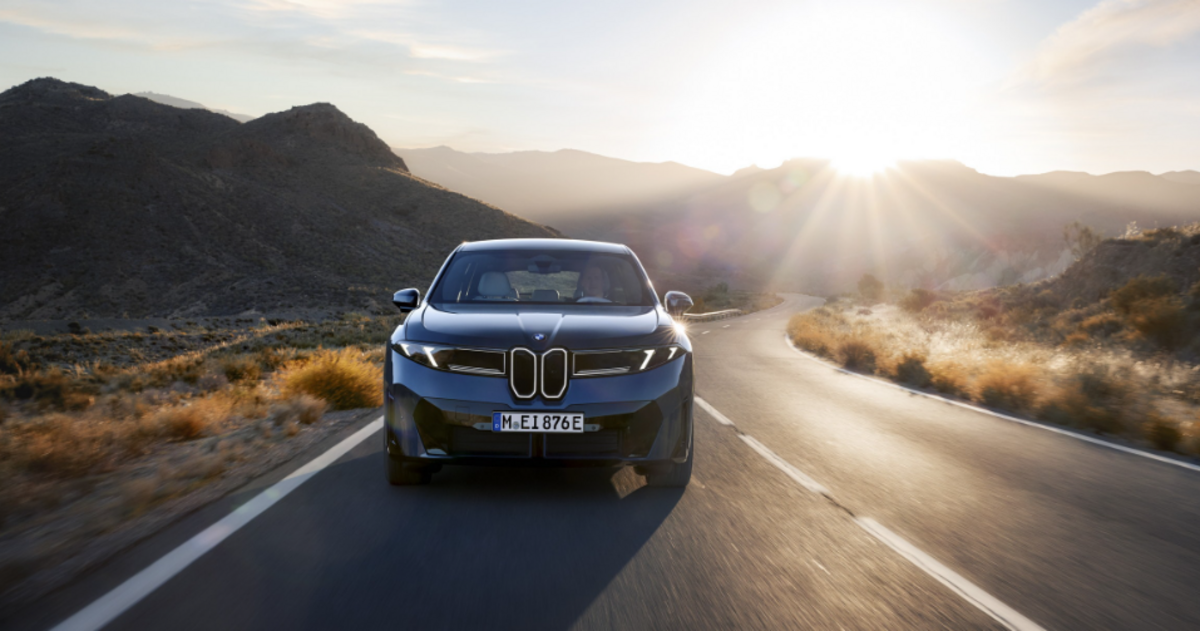
BMW Demonstrates Resilience Amid Economic Headwinds
German automaker BMW is navigating turbulent times marked by global trade tensions, yet the Munich-based group shows remarkable resilience. In the first quarter, BMW posted pre-tax earnings of €2.3 billion, beating analyst expectations of around €2.2 billion—a positive signal in a challenging environment.
However, this performance masks a more complex reality: profits fell roughly 25% year-over-year, reflecting mounting pressure on margins. Revenue declined 8.1% to €31 billion, driven largely by slumping sales in China, a critical market for the group.
The Tariff Uncertainty Challenge
Threatened U.S. tariffs on European imports—potentially rising from current levels to 15–25% on imported vehicles—loom over BMW's profitability. While CEO Oliver Zipse characterized the announcement more as a negotiating lever than an immediate measure, uncertainty persists across the German automotive sector.
Meanwhile, China's market, BMW's largest single outlet, is slowing. Local automakers are gaining ground in the electric and hybrid segments, fundamentally reshaping the global competitive landscape.
Market Confidence Despite Headwinds
BMW's confirmation of 2026 financial targets reassured investors: the stock jumped 4.7% following results. This signal reflects a commitment to strategic stability even as economic signals remain mixed.
Key pressures facing the group:
- Rising production costs
- Energy transition and electrification demands
- Volatile global markets
- Intensifying premium segment competition
Our Take
BMW demonstrates clear resilience in a severely disrupted industrial landscape. Its commitment to 2026 targets reflects a continuity strategy, even as near-term economic signals are not uniformly favorable. Dependence on the Chinese market and U.S. tariff exposure remain significant profitability risks.
For BMW owners in Morocco, this strategic stability should translate to continued after-sales service and spare parts availability—critical considerations for our local clientele. The automaker's ability to weather these storms will shape customer experience and brand confidence in the region for years to come.
Source: leblogauto